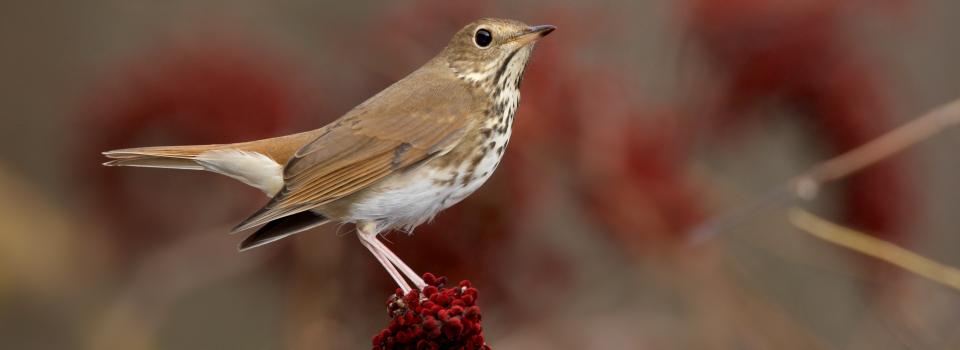
Hermit Thrush
Photo by: Robert Royse
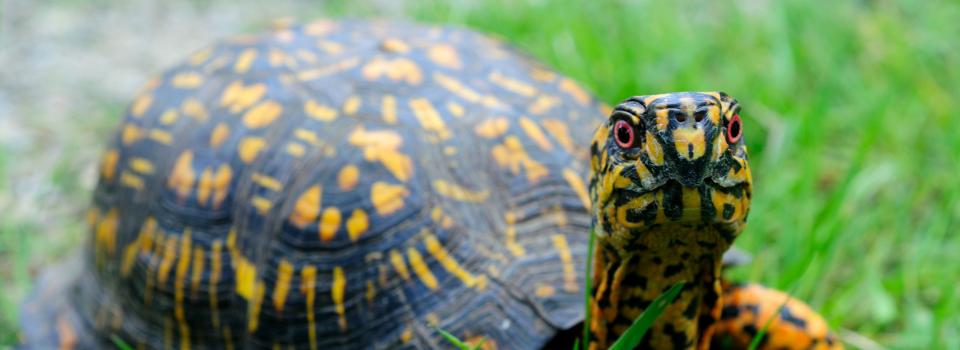
Box Turtle
Photo by: Jonathan Mays
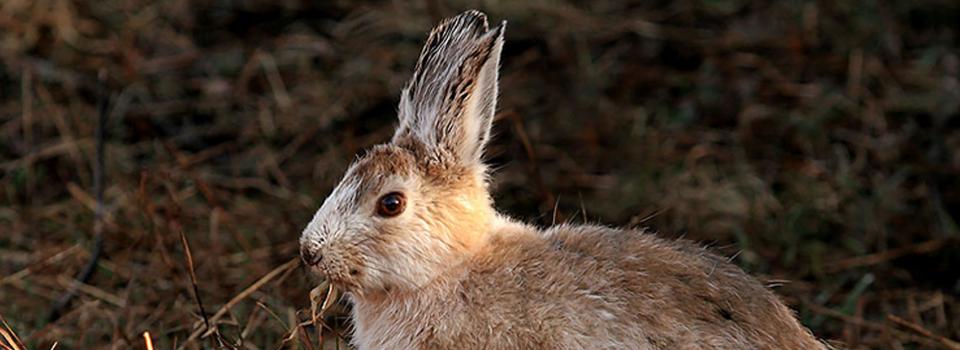
Snowshoe Hare
Photo by: Mike Hodgson
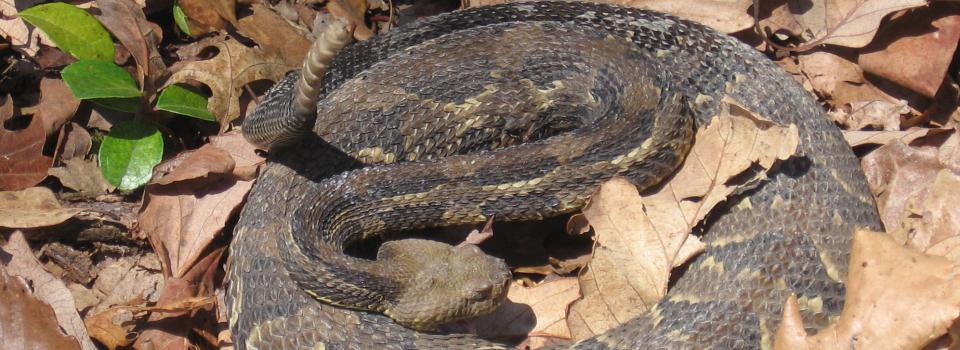
Timber Rattlesnake
Photo by: Kelly Wiley
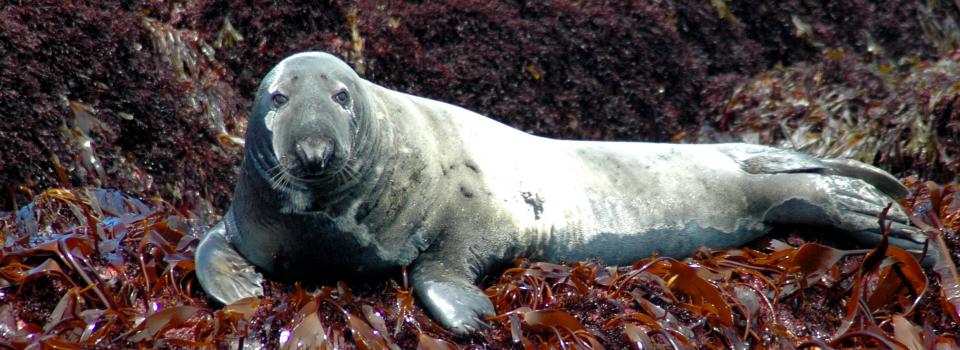
Gray Seal
Photo by: Jonathan Mays

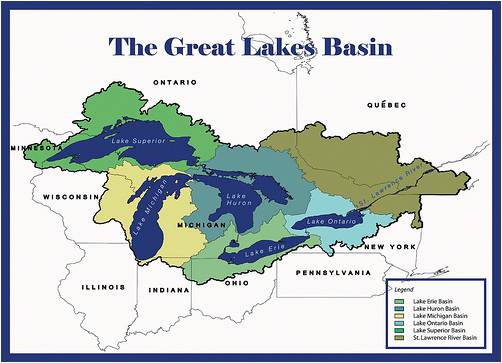
We will employ the Ecological Limits of Hydrologic Alteration (ELOHA) framework in the Great Lakes drainage of New York and Pennsylvania to develop an objective, spatially explicit process for evaluating the ecological impacts of new withdrawals of water from the tributaries of Lakes Erie, Ontario, and the upper St. Lawrence River. This will provide the information necessary to develop and implement instream flow standards for managing the Great Lakes surface and ground-waters of New York and Pennsylvania under the terms of the Great Lakes Compact. Additional multi-state benefits will include:
This two-year project began in January 2011, and engages technical advisors from agencies, universities, and stakeholders in combining testable models of ecological responses to flow alterations with an assessment of current alterations in different types of streams. This combination will enable New York and Pennsylvania to clarify the flows necessary to sustain aquatic life, and implement instream flow policies that balance human and ecosystem needs.
UPDATE (October 2013)
This project was successfully completed in September 2013, the final product is complete and provided below.
Name: David Klein
Title: Senior Field Representative
Organization: The Nature Conservancy
Email: dklein@tnc.org
Address: 1048 Rochester, NY 14607
Phone: 585-546-8030
Fax: 585-546-7825
© 2020 A Wildlife Management Institute Project

